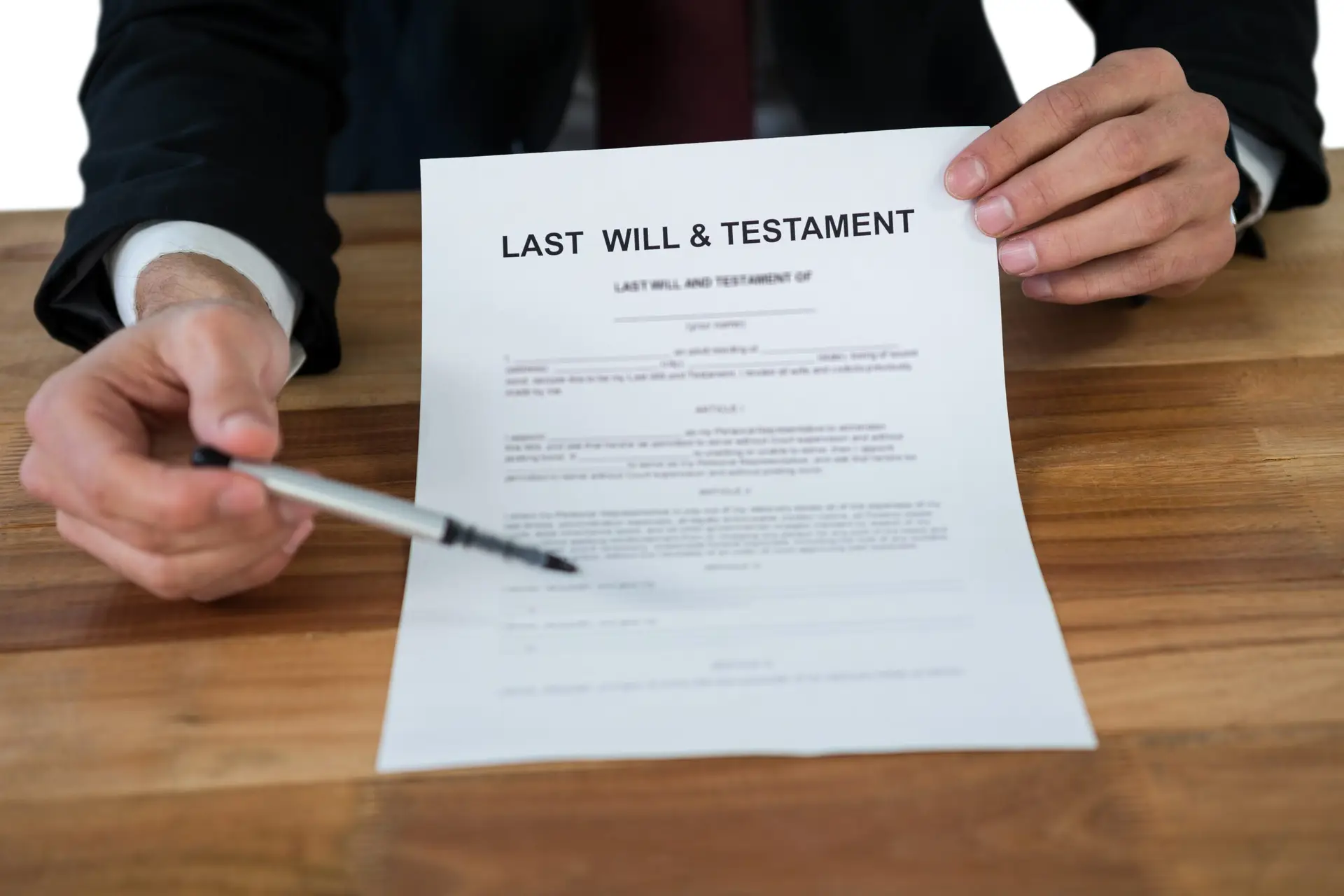
Creating a will is one of the most responsible steps you can take for your loved ones. Yet many people delay it, or worse, do it incorrectly, thinking it’s simple paperwork. In reality, writing your last will and testament is a deeply personal and legal process, and small mistakes can lead to big problems later.
Here are some of the most common errors people make, and how to avoid them.
1. Waiting Too Long to Start
Life gets busy, and planning for the future often falls to the bottom of the list, but unexpected illness or accidents can happen at any time. Without a valid will in place, the state, not you, decides how your assets are distributed. Starting early gives you control.
2. Using Generic Online Templates
Online wills may look convenient, but they rarely account for state-specific laws or personal situations. Florida has strict legal requirements, and a document that isn’t executed properly may be challenged or invalid. Writing your last will and testament deserves more than a fill-in-the-blank form.
3. Forgetting to Update the Will
Major life changes like marriage, divorce, children, property purchases, or the loss of a loved one should always trigger a review of your will. An outdated document can unintentionally leave people out or include choices that no longer reflect your wishes.
4. Being Unclear About Beneficiaries
Vague language can cause confusion and family conflict. Clear instructions matter, especially when it comes to guardianship for minor children or dividing personal belongings. A well-drafted will removes doubt and protects relationships.
5. Not Planning for Special Circumstances
Blended families, special needs beneficiaries, tax concerns, or long-term care planning require careful legal consideration. These situations highlight why writing your last will and testament should be done with professional guidance, not assumptions.
Trusted Help Makes All the Difference
For families in Indian River County, Florida, Jacobs & Jacobs, P.A. offers thoughtful, experienced support through every step of the process. With more than 30 years dedicated to estate planning, wills, trusts, elder law, and probate, the firm focuses on protecting what matters most: your wishes and your loved ones.
If you’re ready to protect your legacy and avoid common mistakes, contact Jacobs & Jacobs, P.A. today to get trusted guidance on writing your last will and testament.